



Virtually everything can be done online these days. From your banking and grocery shopping to your Christmas shopping and other errands, it’s no wonder that all industries are trying to make their products and services available online for convenience's sake. The real estate industry is no exception. There are many real estate e-commerce companies trying their hand at an online house buying and selling process, but is it better? Zillow, in particular, has some pretty substantial disadvantages. Here’s why we don’t encourage using Zillow instead of a traditional real estate agent.

What is Zillow?
Zillow is a Seattle-based company that launched in 2006. Their goal is to provide their clientele with knowledge and data about their homes. They assist in the buying and selling process and even helping renters find suitable rental options. Zillow advertises that they handle the full life cycle of a home, including financing and remodeling. They also provide their signature “Zestimates” for home appraisals and rental appraisals, so those looking to buy or rent have the information they need at their fingertips.
How Does Zillow Make Money?

Zillow is free to use, so it has to make money through other avenues. There are three main revenue streams that Zillow utilizes: Advertisements, iBuying, and Premium Realtor Services.
Zillow sells advertising space to property management companies who want their listings to be given a priority spot on the site. They advertise across their entire network, which includes Trulia, AOL Real Estate, MSN Real Estate, Hotpads, and MyNewPlace. They also sell ad space to mortgage companies and other businesses, like insurance companies or telecommunications companies, who are looking to reach Zillow’s audience.
iBuying is essentially the process of automation used to speed up the real estate process. It allows buyers and sellers to do everything online.
The premier services that Zillow offers to realtors include their spot on the Zillow website, with personalized designs and MLS search. It also includes the ability to purchase ad space from Zillow so that they will be recommended more often as the local realtor for anyone engaged in the iBuying process. If a customer expresses an interest in working with a realtor, Zillow will connect them with a premier realtor first.
The Differences Between Traditional Realtors and Zillow

While Zillow sounds like an excellent service, in theory, there are some glaring issues with the process of choosing Zillow versus a traditional realtor.
A traditional realtor is someone you build a relationship with. During the consultation process, they find out exactly what it is that you want in your home. If you’re looking to purchase in a specific area, you can typically find an expert in that neighborhood, who specializes in providing an experience for their clients.
Zillow’s Zestimates are highly criticized for not being accurate. The company does not have direct access to actual appraisals, and the estimates are often very wrong.
Due to Zillow’s revenue model, and allowing for realtors to advertise their services, Zillow will promote a realtor to a listing that isn’t necessarily one they know anything about and are not associated with. Inaccurate information can be frustrating for users who want to either view the home or try to contact the realtors wishing for more information about that property.
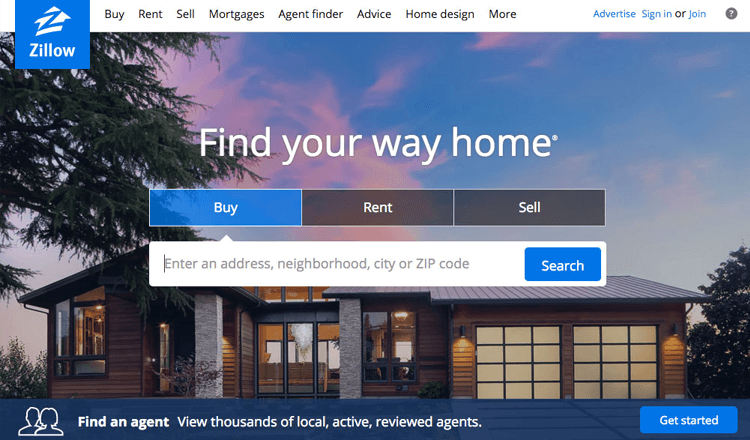
One of the supposed perks for premier agents is that Zillow will provide them with leads that come through the site. In actuality, these leads are of low quality, and the cost of joining this program is quite substantial. These leads get shared with hundreds of premier agents, so if you’re putting your information into Zillow, or inquiring about a specific property, you can expect to be bombarded by realtors looking to help. When you hire one realtor to handle the process, you will only be in contact with them and the brokerage they work for.
The process of dealing with an iBuyer has its own set of issues. The significant difference between using an iBuyer and a traditional realtor is while the iBuyer process has a bit more certainty attached to it, a realtor can negotiate. They can get you a better price for your home. They will take care of all the things you would have to deal with on your own with an iBuyer deal.
Zillow has also been criticized for having listings that aren’t for sale anymore on their site. Having misinformation can be extremely frustrating for clients who might fall in love with a home that isn’t actually available. A realtor can get accurate information on any property via the MLS system, so buyers can have up-to-date listings as they’re looking.
Why is a traditional Realtor Better?

Aside from the glaring issues that customers and realtors have brought to light about Zillow and their business practices, a traditional realtor is often the better decision.
When you hire a professional realtor, you’re hiring someone motivated to make a transaction happen for you, as they’re likely paid solely on commission. Their livelihood depends on your experience with them, so, typically, they’ll do their best to make it a great one.
If you find a realtor with many years of experience, you will find that they know little tips and tricks you could never find on a website. They know specifically about the area you want to live in, and they can help you negotiate prices. If you provide them a budget, they can work within that to get you the home you’ve always dreamed of.
If you’re selling your home, a traditional realtor will know how to market and advertise your home to get it sold quickly. They will have access to great photographers, marketing materials like brochures and local advertisements, and can utilize social media to get your property in front of your potential buyers. You can purchase ad space on the Zillow platform, but with a traditional realtor, it’s included in the process. As we mentioned, the leads generated from Zillow aren’t necessarily the best quality, so while you’re paying for ad space, you may not get the best return on investment.
They also take care of all the nitty-gritty details that they’re trained to do. If you tried to deal with negotiations, contracts, deadlines, and the like on your own, you might be in over your head. They organize your showings, can provide tips on staging your home for the best presentation, and they have a network of resources that, depending on your situation, could greatly benefit your buying or selling process.
A Traditional Realtor is the Answer

Real Estate in Denver, Colorado, is a competitive market with a lot of great homes available, and there are many methods of buying and selling your home. Websites like Zillow are not there for the best interest of the client. While they advertise that they are easy to use, free to use, and they can eliminate the need for a traditional realtor, there are some significant issues with the accuracy and information available on the website. A key selling point of using Zillow is for the Zestimate’s feature, and many customers admit it is entirely inaccurate.
Their processes for realtors and new potential clients are not streamlined, and this can cause unnecessary stress to individuals just looking for information on real estate. A traditional realtor is a way to go, hands down. Aside from having a partnership with a realtor, they know the ins and outs of the neighborhoods you want to live in, they bring expertise with them into each transaction, and they handle the details for you. There’s a reason why realtors still exist and haven’t been replaced by e-commerce, and that’s because they’re more valuable than any platform could ever be.